










It has been a rough stretch for produce.
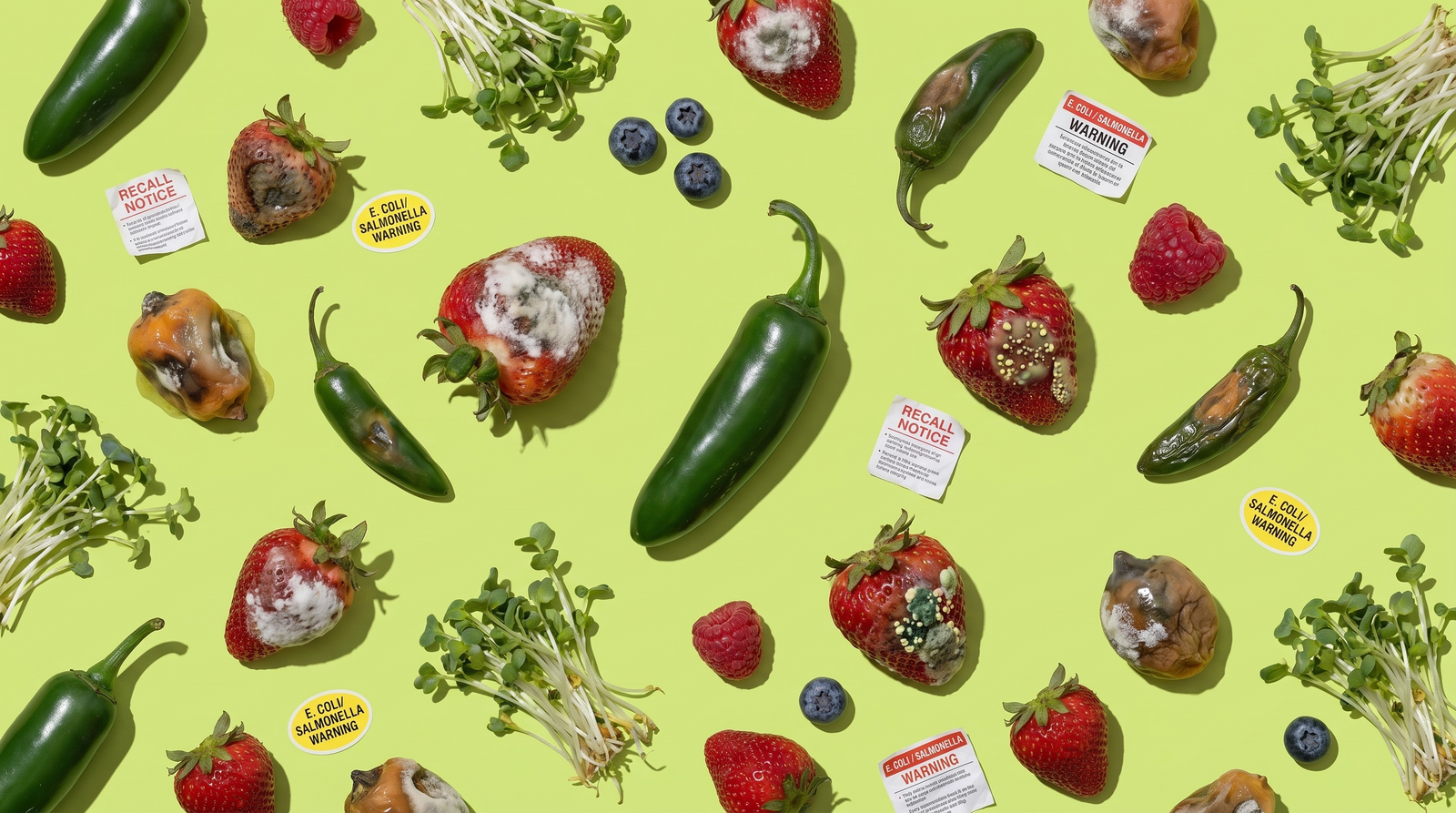
Jalapeño peppers tied to a multistate salmonella outbreak, now at 431 reported cases. Frozen blueberries linked to 17 cases of E. coli. Broccoli sprouts behind 22 more salmonella cases. All three investigations are still open as of early September.
We make a produce wash. So we want to be clear about what that wash does and does not do, because the honest answer is more useful than the flattering one.
A wash does not fix a recall
When produce is recalled for a pathogen, the contamination generally happened at the farm, in the packing house, or during processing. It can be inside the produce rather than on the surface.
Broccoli sprouts are the clearest example. The seeds themselves can carry bacteria, and the warm, humid conditions that sprout the seed are also ideal conditions for growing whatever came along with it. By the time sprouts reach a clamshell, a surface rinse is not reaching the problem.
Frozen blueberries are the same story from a different angle. Whatever contamination occurred happened before the bag was sealed and frozen. Washing them after the fact does not undo it.
No spray, soak, or wash reverses any of that. If a product you bought appears on a recall list, the only correct move is to throw it out or return it. Check the FDA recall page or the retailer's notice. Do not rely on smell, appearance, or a wash.
We would rather lose a sale than let anyone believe otherwise.
How to read a recall notice in 30 seconds
Recall coverage tends to be vague in exactly the places that matter. Here is the short version of how to check whether a notice applies to the food in your kitchen.
1. Match the brand and product name exactly. Recalls are almost always specific to one packer, grower, or distributor. "Jalapeños were recalled" essentially never means every jalapeño in America. It means peppers from one supply chain.
2. Check the lot code, best-by date, or UPC. The notice will list them. They are printed on the bag, clamshell, or produce sticker. This is the single most reliable way to tell.
3. Check the distribution list. Recall notices name the states and the retail channels involved. If your state is not on the list, your exposure is low.
4. If it matches, discard it and disinfect what it touched. If it does not match, you are fine to eat it, washed as usual.
What a recall actually reveals
A recall is the rare moment an invisible layer becomes visible.
Every other week of the year, the same supply chain delivers produce that was sprayed in the field, coated in wax after harvest so it survives shipping, packed and trucked an average of more than 1,500 miles, handled by hundreds of hands along the way, and finally set out in an open bin under a misting nozzle in a room full of strangers.
None of that triggers a recall. None of it is newsworthy. All of it is sitting on the skin of what you brought home.
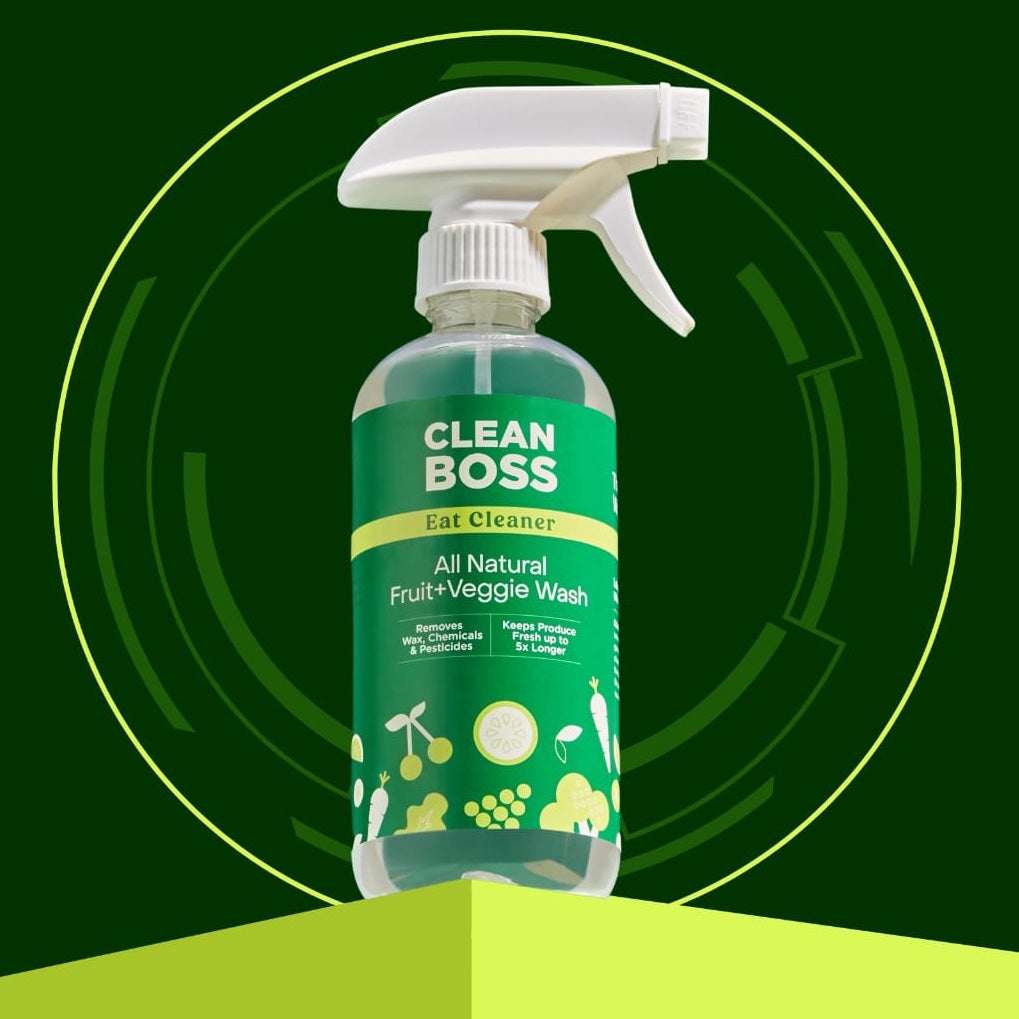
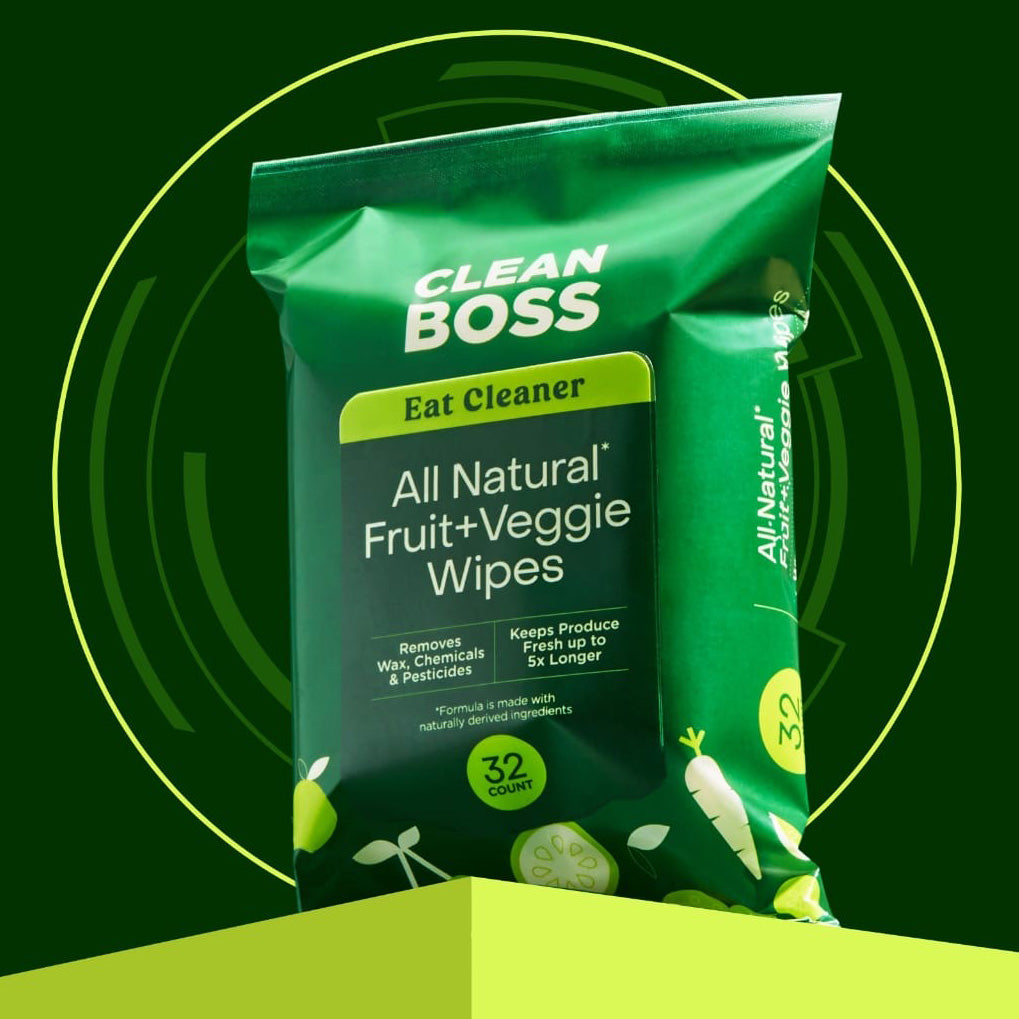
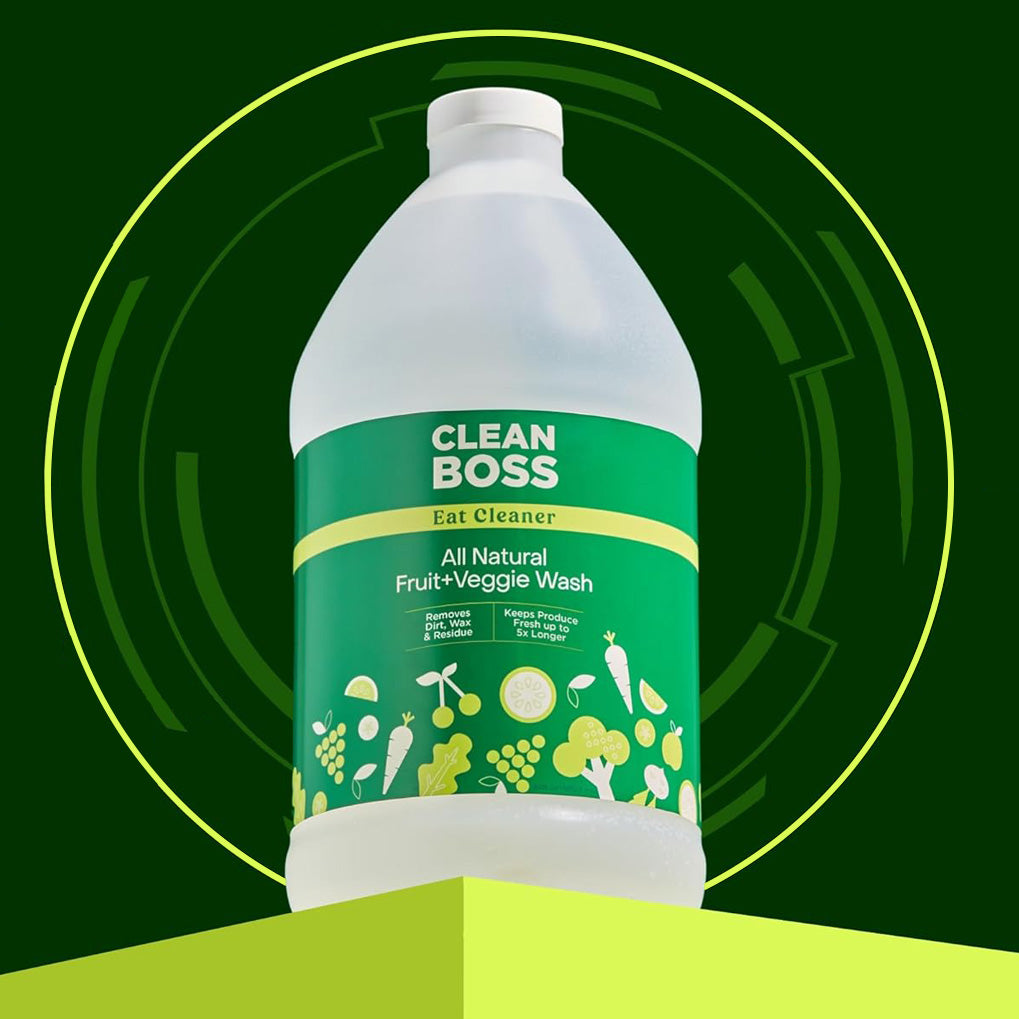
That surface layer is what a produce wash is actually built for.
What Eat Cleaner is lab proven to do
Remove up to 99.9% of wax, dirt, chemicals, and pesticide residue from produce surfaces. Third-party testing found it was 99 times more effective than rinse water at reducing two common pesticides on apples, and over 99% effective at removing two others from strawberries.
Reduce surface bacteria by 99.9%, per a certified lab kill-time study.
Keep produce fresher up to 5x longer by deterring yeast and mold growth. This is the benefit people notice first. The berries that used to turn by Wednesday make it through the weekend.
Work in 2 minutes. Spray, wait two minutes, rinse or dry. No bowl of vinegar, no baking soda paste, no ten-minute soak.
Leave nothing behind. No odor, no aftertaste, and the formula is NSF listed for use on produce in food processing.
What it is not
It is not a substitute for a recall notice.
It does not remove anything that grew into the produce.
And it is not a reason to skip washing. It is a reason to wash with something that has data behind it.
The other half of a recall week: your counter
Most cross-contamination in a home kitchen does not come from the produce itself. It comes from what the produce, the raw chicken, and the grocery bags touched on the way in.
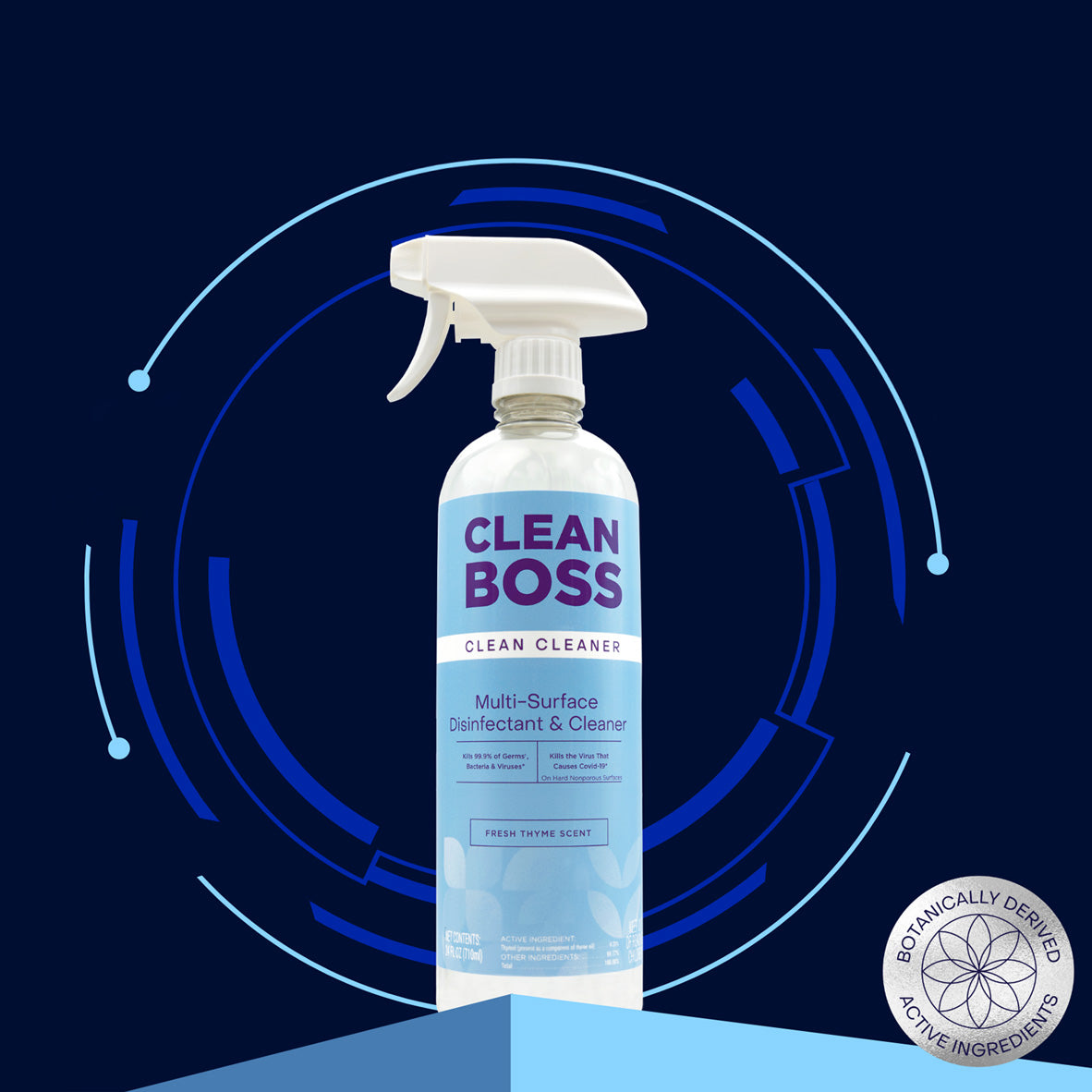
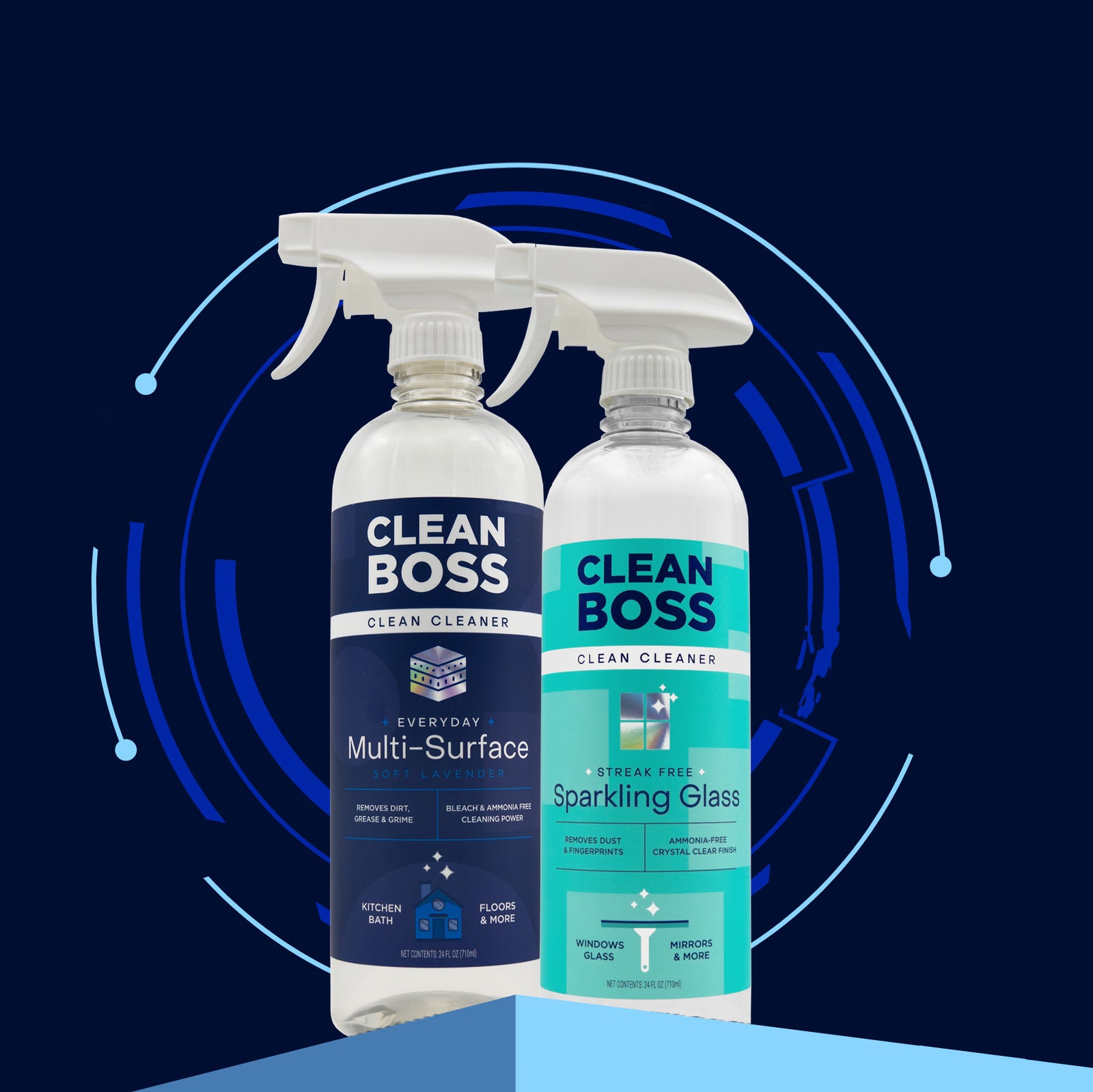
Clean Cleaner is an EPA-registered disinfectant that kills 99.9% of germs, including salmonella, listeria, and E. coli, in two minutes on hard, non-porous surfaces.* It's powered by thymol, derived from thyme oil, rather than bleach, and it is effective and easier to use on the surfaces where food actually gets prepped.
Four surfaces worth two minutes on grocery day:
- The counter where the bags landed. Grocery bags sit on conveyor belts, car trunks, and store floors before they reach your kitchen.
- The sink and faucet handle. This is where produce gets rinsed and where hands get washed, usually in that order, usually with the same handle.
- The fridge handle and the crisper drawer. The crisper is where produce sits for a week touching other produce.
- The cutting board. After produce, and before anything else.
The practical version
If it is recalled, toss it.
If it is not, wash it with something proven to remove what the supply chain leaves behind, then disinfect the surfaces it touched.
That is the entire routine. It takes less time than reading the recall notice did.
Shop Eat Cleaner
Shop Botanical Disinfectant
*Clean Cleaner kills 99.9% of germs on hard, non-porous surfaces when used as directed. See product label for the full list of organisms and contact times. Case counts as reported by the CDC and FDA as of September 9, 2026. Eat Cleaner is not an EPA-registered or FDA-registered product and is not intended to prevent foodborne illness.